Table of contents
If you're in your late 30s or 40s, you might be noticing subtle changes, slower recovery, disrupted sleep, lower energy, or more effort to maintain your muscle or metabolism. It’s not just your imagination. As we age, the body’s needs shift, and what worked in your 20s doesn’t always cut it anymore.
Supplements aren’t a cure-all, and they’re not a replacement for solid habits. But when chosen wisely, they can be smart tools to support consistency, recovery, and long-term vitality. The focus moves away from quick fixes or aesthetics and toward staying strong, sharp, and energised for the long haul.
In this blog, we’ll cover evidence-backed supplements that actually make sense for your stage of life. From protein to magnesium and creatine, we’ll break down what they do, who they’re for, and how to use them, plus real-life daily protocols to help you feel your best.
Protein
Support Muscle, Recovery, and Satiety
Think protein is just for gym junkies? Think again. Once you hit your 30s and 40s, getting enough protein becomes more important than ever, for strength, recovery, metabolism, and managing hunger.
Why it matters now:
As you age, your ability to build and preserve muscle naturally declines (hello, slower metabolism).
Muscle isn’t just about looking toned; it supports bone health, blood sugar control, and injury prevention.
Protein also helps you stay full for longer, which can support healthy weight management and energy levels throughout the day.
Best options:
Whey protein – fast-absorbing, high in leucine (key for muscle repair), ideal post-training or when you're short on time.
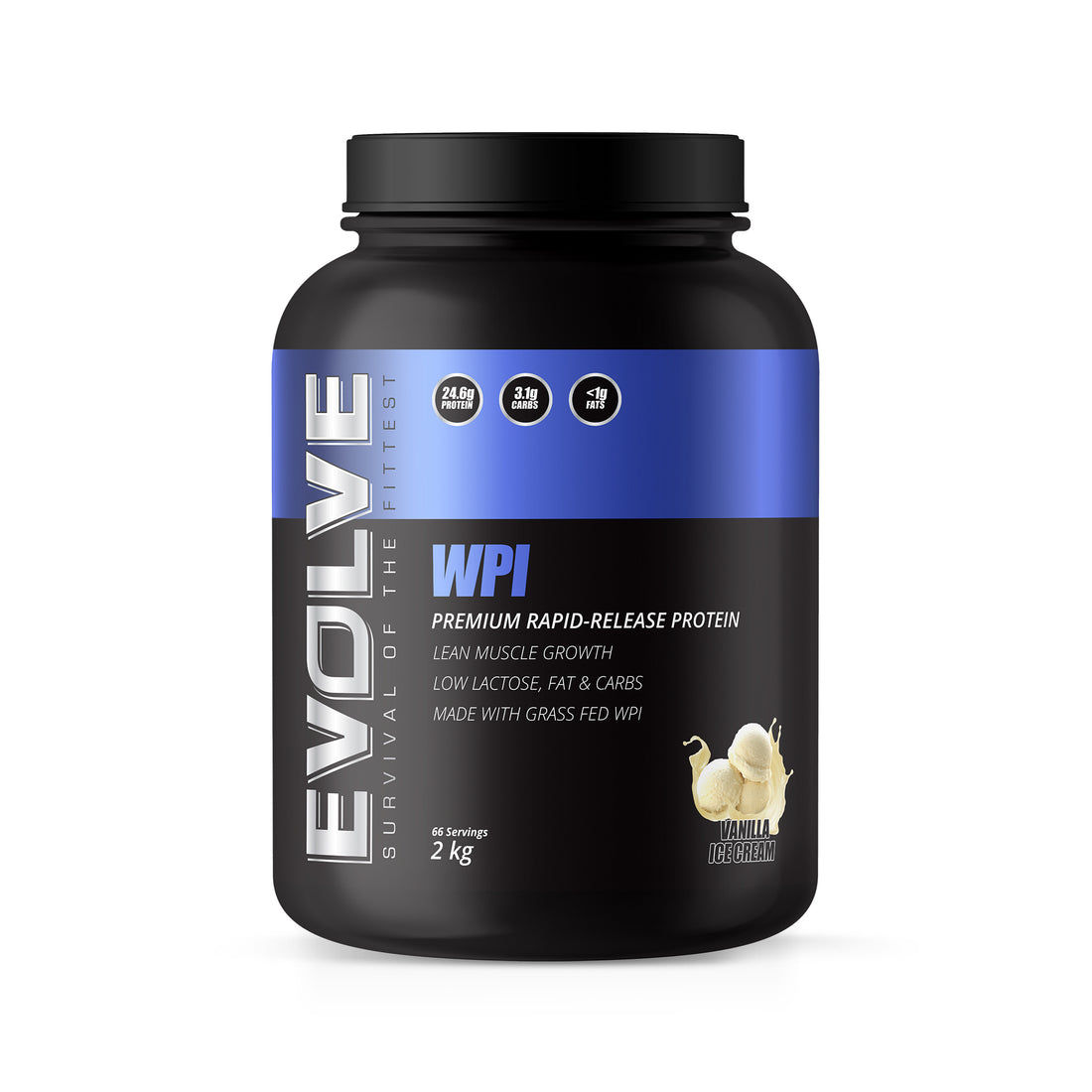
Whey Protein Isolate – high in protein, low in carbs and fats, fast-absorbing, ideal for post-workout or anyone sensitive to lactose.
NiHPRO – an advanced plant-based protein combining pea and rice protein, enhanced with MPI™ technology for ultra-digestibility. A great option for those wanting a high-performance vegan protein that’s easy on the gut.
Plant-based protein – often made from pea, rice, or fava bean blends, great for those avoiding dairy or looking for a gentler option on the gut.
When and how to use it:
Add a scoop to your breakfast smoothie, oats, or yoghurt to start your day strong
Use post-workout or mid-afternoon to support muscle recovery and prevent energy dips
Aim for 20–30g of protein per main meal, depending on your body size and activity level
Magnesium
For Recovery, Sleep & Stress Support
Magnesium is one of those underrated minerals that becomes a game-changer as you get older, especially if you’re juggling a full plate with work, training, parenting, or just life in general.
Many adults are unknowingly low in magnesium. Stress, intense training, poor sleep, and even a busy lifestyle can all increase your body’s demand. Add age-related changes in absorption, and it’s no wonder so many of us feel wired but tired, tight in the muscles, or slow to recover.
Why magnesium matters after 30–40:
Supports nervous system regulation and cortisol balance (key for stress resilience and mood)
Encourages deep, restorative sleep , especially important when recovery feels slower
Helps muscles relax and reduces cramping, soreness, and tension
Plays a role in over 300 enzyme reactions, including energy metabolism and blood sugar control
Best forms to look for:
Magnesium glycinate – gentle on the stomach, highly bioavailable, great for sleep and stress
Magnesium citrate – slightly more stimulating, ideal for digestion and muscle relaxation
Avoid forms like magnesium oxide, which are poorly absorbed
When and how to use it:
Take twice daily: once with breakfast or lunch, and again before bed for best effect
Ideal timing: evening dose can help wind down the nervous system and improve sleep quality
If training hard or feeling depleted, increase your intake through diet and supplements
Magnesium-rich habits to stack:
Pair your bedtime magnesium with screen-free wind-down time
Take it with food to improve absorption and avoid loose stools
Use it as part of a recovery stack with collagen , electrolytes , or adaptogens

Creatine
Strength, Cognition, and Cellular Energy
Creatine isn’t just for bodybuilders or heavy lifters and it’s definitely not just for your 20s. In fact, it might be one of the most well-researched, effective, and underused supplements for people in their 30s, 40s, and beyond.
As we age, we naturally lose strength, muscle mass, and energy efficiency. Creatine helps counter that by supporting your body’s ability to produce quick, usable energy at the cellular level. It’s also been studied for its role in brain health and cognitive function, making it just as valuable for your mind as your muscles.
Why creatine matters after 30–40:
Supports lean muscle mass, strength, and performance (especially important as natural testosterone and growth hormone levels decline)
Helps improve muscle recovery and training output, so you can get more from your workouts.
May support brain function, memory, and mood, particularly during times of stress or fatigue
Plays a role in cellular energy production (ATP), which can help reduce mental and physical burnout
Creatine myths busted:
No, it won’t make you bloated if you dose it correctly
It’s not just for men or those looking to “bulk”
It doesn’t need to be cycled, and it’s not a stimulant
When and how to use it:
Take 3–5g daily, ideally around the same time each day (no need to time it with workouts)
You can mix it into water, juice, a protein shake, or your post-workout drink
Consistency is key; creatine works through saturation, so it builds up in your system over time
Which type to choose:
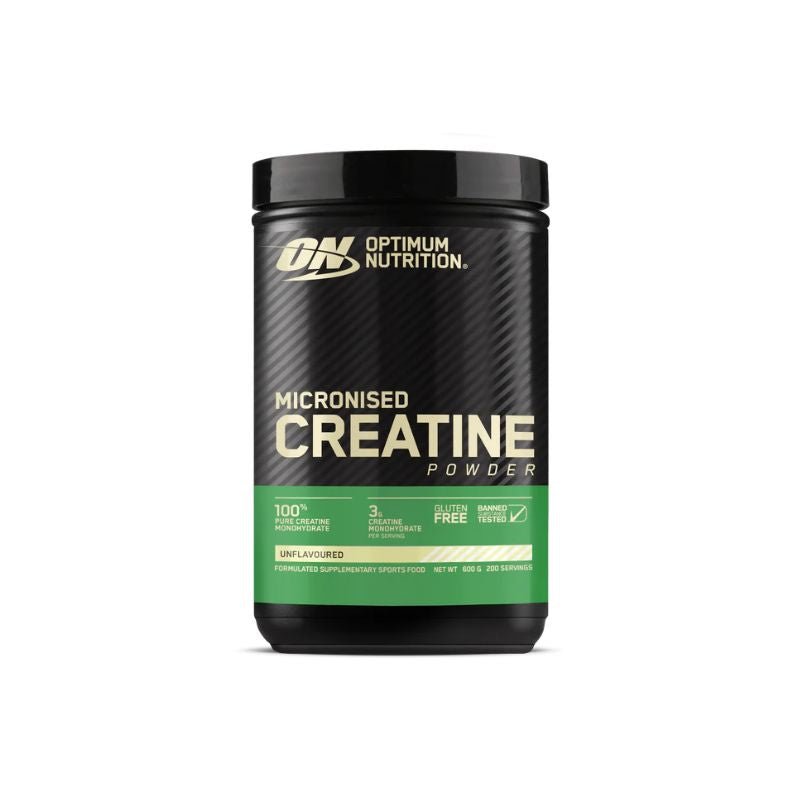
Creatine monohydrate is the gold standard, safe, effective, and affordable
Look for micronised versions for better solubility if texture bothers you
Gut Health Support
The Gut–Muscle–Mood Connection
Gut health might not be the first thing you think of when it comes to supplements but if you’re navigating your 30s or 40s and dealing with bloating, sluggishness, or inconsistent digestion, it should absolutely be on your radar.
As we age, our gut microbiome shifts. Combine that with stress, processed foods, alcohol, or medications like antibiotics and NSAIDs, and it’s easy to end up with inflammation, poor nutrient absorption, and reduced immune resilience.
And here's the kicker: your gut doesn’t just impact digestion, it affects everything from muscle recovery to mood and hormone balance.
Why gut health matters more after 30–40:
Gut inflammation can impair how well you absorb protein, magnesium, and other key nutrients
A healthy gut supports your immune system, which plays a role in recovery and energy regulation
Your gut and brain are connected via the gut-brain axis; imbalances here can impact mood, focus, and stress response
When to consider gut support supplements:
You feel bloated often, even when eating “clean”
Your digestion feels sluggish, unpredictable, or overly sensitive
You’ve had recent antibiotic use or a history of gut issues
You’re looking to support absorption and make the most of your nutrition
Support options worth your time:
Probiotic blends – helpful after antibiotics or during periods of stress
Greens powders – often include digestive enzymes, antioxidants, and gut-friendly fibres
Resistant starches or prebiotic fibres – help nourish good bacteria in the gut
Modbiotic blends like GutRight – support a healthy microbial balance
Simple habits to stack with gut supplements:
Take gut blends with or just before a meal
Stay consistent: gut health doesn’t change overnight, but daily habits build long-term benefits
Combine with movement (like a short walk after meals) and fibre-rich meals to keep things flowing
Hormone Support
Adaptation, Not Overhaul
Your 30s and 40s are a time of hormonal transition, subtle for some, more noticeable for others. You might feel a little less energised, more reactive to stress, or like your usual routine isn’t delivering the same results. This isn’t about needing a complete hormonal overhaul; it’s about adapting and supporting your body as it changes.
Hormones affect everything from your sleep, mood, and metabolism to how well you recover, build muscle, and burn fat. And the truth is, after 35–40, both men and women experience gradual hormonal shifts that can impact how you feel, train, and function day-to-day.
Common changes in your 30s and 40s:
For women: perimenopause can begin in your late 30s or 40s, with fluctuations in estrogen and progesterone that affect energy, mood, sleep, and cycle symptoms.
For men: testosterone levels tend to gradually decline, which can affect drive, muscle mass, recovery, and overall vitality
For everyone: higher stress loads, disrupted sleep, and blood sugar imbalances can elevate cortisol and disrupt hormonal balance across the board.
How lifestyle + key nutrients can help support balance:
You don’t need to jump straight to hormone replacement therapy; foundational habits and nutrients can go a long way in regulating how you feel.
Supporting your adrenals, nervous system, and micronutrient intake can reduce the load on your body and help bring hormones into a better rhythm.
Smart support options to consider:
Zinc – supports testosterone production and immune health (especially for men)
Adaptogens – like ashwagandha, rhodiola, or holy basil can help the body adapt to stress and support mood, energy, and hormonal balance
B-complex vitamins – important for energy metabolism and stress resilience
Omega-3s – support inflammation control and hormone signalling
When to tune in more closely:
You’re experiencing poor sleep, fatigue, or midsection weight gain despite a healthy routine
Your stress tolerance feels low or your mood swings more easily
You feel “flat” after training, rather than energised
For women: your cycles are irregular, more symptomatic, or recovery is slower
For men: libido, strength, or motivation feels like it’s taken a hit
Simple Protocols to Support Common Health Goals
Knowing what to take is one thing; knowing how to use it daily is where real change happens. These simple, no-nonsense protocols are designed to support some of the most common goals we hear from people in their 30s and 40s: more energy, better sleep, reduced inflammation, improved gut health, and healthy ageing.
These aren’t meant to be complicated. Think of them as foundational routines to help you feel more like yourself again or better.
⚠ Warning: Vitamin D3 + K2 is capped at 4,000 IU/day total. Do not stack protocols with additional Vitamin D unless advised by a health professional. For long-term use of Vitamin D3, we recommend checking your blood levels every 6–12 months.
Please do not double up protocols unless advised. It is Best Practice to consult your healthcare provider before starting a new supplement regimen.
Energy, Sleep & Inflammation Support
A protocol to help regulate your nervous system, wind down at night, and stay steady through life’s daily demands.
Evolve Hydr8 – 1 scoop first thing in the morning + 1 scoop late afternoon (around 5–6pm)
Magnesium (glycinate or citrate) – 1 serve with breakfast + 1 serve before bed
Vitamin D3 + K2 – 1 capsule with food (preferably in the morning or midday)
Activated B-Vitamins – Take in the morning with your first meal to support energy and stress resilience
Anti-Ageing & Cellular Health
Support mitochondrial health, recovery, and healthy ageing from the inside out.
Evolve Hydr8 – Morning and late afternoon
Magnesium – Twice daily (morning + night)
Vitamin D3 + K2 – 1-2 capsules daily with a fat containing meal
NMN (Nicotinamide Mononucleotide) – 1 serve in the morning to support NAD+ and energy production
Healthy Heart Stack
Promote vascular health and circulation with this heart-friendly routine.
Magnesium – With breakfast + with dinner
Vitamin D3 + K2 – 1-2 capsules daily with a fat containing meal
TMG (Trimethylglycine) – 3g daily (split across two meals)
Gut Health Support
A gentle, consistent protocol to keep your gut in check and support nutrient absorption.
GutRight or Gut Instinct – 1 serve per day with food
Evolve Hydr8 – 1 serve daily, to support hydration and electrolyte balance
Evolve Collagen – 1 serve per day to support gut lining and soft tissue repair
Reminder:
You don’t have to do everything at once. Pick the protocol that matches where you're at and build from there. These aren't short-term hacks; they're low-lift habits that support the bigger picture of ageing well, staying active, and feeling good in your body.
Build What Works for You
Supplements aren’t the whole plan but they can be powerful support for the plan. When you’re in your 30s or 40s, it’s not about extremes, it’s about consistency, recovery, and setting yourself up for long-term health.
Whether you’re focused on managing stress, staying strong, improving energy, or simply feeling more like yourself again, smart supplementation can help bridge the gap between good intentions and how you actually feel day-to-day.
Keep it simple. Start with what matters most to you, and layer in habits and products that support that goal. The most effective routine is the one you’ll stick to and the ASN team is here to help guide you every step of the way.
Ready to take the next step?
Explore our curated range of evidence-backed health supplements or chat with an expert at your local ASN store for personalised advice that fits your lifestyle.
Summary
Recovery slows and energy dips as we age.
Protein supports muscle, metabolism, and satiety. Use whey or plant-based protein daily, especially post-workout.
Magnesium aids sleep, recovery, stress, and energy. Choose glycinate or citrate forms for better absorption.
Creatine supports strength, cognition, and cellular energy. Take 3–5g of creatine monohydrate daily, consistently.
Gut health impacts digestion, mood, and nutrient absorption. Support your gut with probiotics, greens, or modbiotic blends.
Hormonal shifts affect mood, energy, and recovery. Use zinc, B-vitamins, adaptogens, and omega-3s for balance.
Stack simple protocols for energy, sleep, gut health, and ageing.