Starting at the gym can feel like wading through a swamp of opinions, half-truths and marketing hype. One day you’re told to load up on protein only after you train, the next to dry scoop pre-workout for maximum effect. If you’re new to lifting or just tired of the BS, this guide is for you. We’ll bust four of the biggest pre-workout myths, explain the simple science behind each one, and point you to some recommendations that let you learn and shop in one go.
Myth 1: Protein only matters after training
What you’ve heard: Don’t bother with protein until after you finish your session
Why that is wrong: Hitting your daily protein goal, about 1.6–2.2 g per kg body weight, is the foundation for building and repairing muscle. Timing still matters too. Muscles break down as you lift and need amino acids both during and after exercise. A 20–30 g whey dose before you train delivers building blocks from your very first rep, and consuming 20–30 g of fast-digesting protein immediately post-session maximises muscle protein synthesis, kick-starts repair and fuels recovery (Hwang & Yang, 2024).
Quick science bit
A dose of whey 30 minutes before exercise raises blood amino acid levels by 60 percent within 45 minutes, sustaining them through a typical 60–90-minute workout (Hwang & Yang, 2024).
FAQ
Q: When’s the easiest time to hit those protein targets?
A: Stir 20–30 g of Fit Whey into water or milk 30 minutes before training and again within 30 minutes after you finish.

Myth 2: Creatine makes you bulky
What you’ve heard : Take creatine and you’ll bloat up like a balloon.
Why that is wrong: Creatine doesn’t add fat, it pulls water into your muscle fibres, which boosts your power output, repeat sprint capacity and strength gains, and even supports brain cell energy and focus. Any 1–2 kg increase in week one is simply extra intracellular hydration, which helps performance, speeds recovery and keeps you sharp under fatigue (Gutiérrez-Hellín et al., 2024).
Beyond that, creatine:
Enhances high-intensity performance by speeding up ATP regeneration, so you can push through extra reps or sprints
Supports muscle recovery by reducing markers of damage and soreness after tough sessions
Promotes cognitive function , acting as an energy buffer in your brain, helping you stay sharp and focused under fatigue
Quick science bit A daily 3–5 g dose of creatine monohydrate boosts intramuscular phosphocreatine stores by roughly 15–20 percent within a week, fueling both high-intensity performance and recovery; it also acts as an energy buffer in the brain, supporting cognition and focus under fatigue (Gutiérrez-Hellín et al., 2024)
FAQ
Q: How can I squeeze creatine into my routine hassle-free?
A: Mix 3–5 g of Fit Creatine into your pre-workout, morning coffee, juice or smoothie.

Myth 3: Recovery nutrition isn’t important
What you’ve heard: Once you rack the barbell you’re done, skip the post workout meal, shake or snack and continue on with your day.
Why that is wrong: Skipping post-workout fuel leaves your muscles and energy stores depleted. Without timely carbs and protein:
Glycogen stores stay low, undermining your next session
Muscle protein synthesis stalls, slowing repair of exercise-induced damage
Markers of damage and inflammation rise, increasing soreness and injury risk
Energy imbalances contribute to fatigue, poor immune function and overtraining.
Quick science bit: A review of young athletes shows that good-quality carbs, fluids and protein immediately post-exercise reduces overtraining symptoms and speeds tissue recovery (Benardot, 2024).
FAQ
Q: What’s a grab-and-go recovery hack?
A: Blend 2 scoops of Evolve Reload with 400ml - 500ml of water and shake for 30 seconds. Take within 45 minutes of training; 46.2g carbs, 29.8 g protein in one easy serve.

Myth 4: More caffeine equals more gains
What you’ve heard: Double your caffeine dose for double the workout power.
Why that is wrong: In moderation (3–6 mg/kg body weight) caffeine sharpens focus and trims perceived effort, but overdoing it can lead to jitters, poor sleep and critically, fluid and mineral losses that undermine performance and recovery.
Quick science bit Caffeine reaches peak levels in your saliva about 90 minutes after you drink it and its concentration halves over roughly 7 hours, so it stays active well beyond your warm-up . Yet a typical morning dose (≈6 mg per kg lean body mass) drives a net 24-hour urinary loss of calcium (0.32 mmol) and magnesium (0.16 mmol ), minerals your muscles and nerves rely on . And losing just 2 % of your body weight through fluid loss already slows your endurance and makes exercise feel harder, so if you’re chasing “extra gains” with caffeine alone, you’ll want to sip fluids and replace electrolytes to avoid undercutting your performance
FAQ
Q: How can I use caffeine without wrecking my hydration?
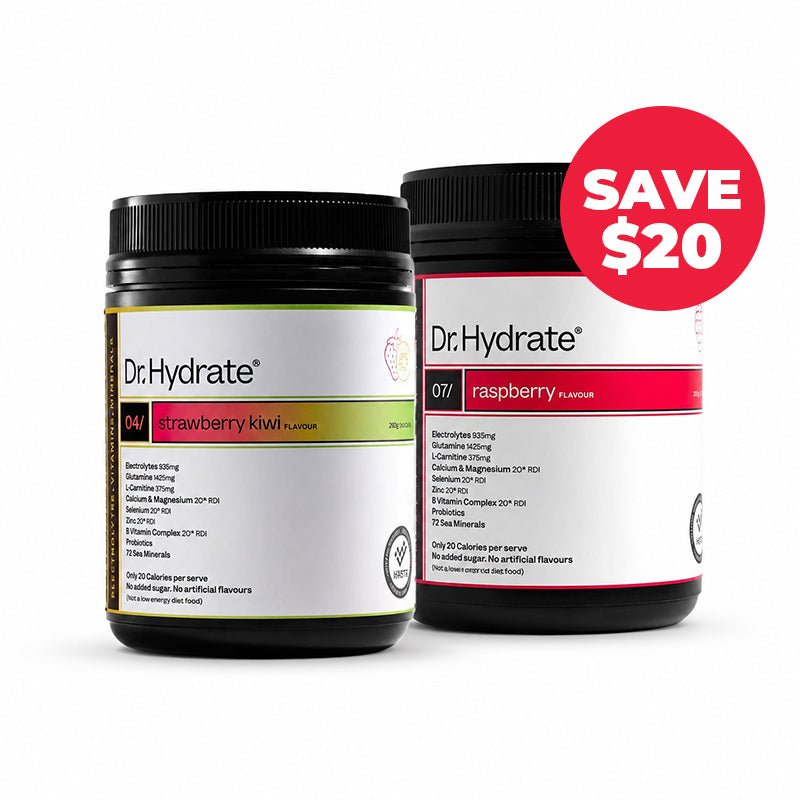
A: Time 1–2 moderate doses (e.g. 100–200 mg) about 30–60 minutes before training, then sip an electrolyte drink (like Evolve Hydr8 ) throughout to offset any diuretic effect.

Your Pre-Workout Playbook: What to Do Next
Now that you’ve busted the biggest pre-workout myths you can build a smarter plan: aim for your daily protein goal with 20–30 g before and after training, embrace a simple 3–5 g creatine habit for power and focus, refuel with quality carbs and protein right after your session, and pair your caffeine hit with electrolytes to stay hydrated. These straightforward steps cut through the noise, keep you consistent and deliver real results.
Want more? Check out our Education Hub for more related articles.
Summary
Daily protein intake matters more than timing, but timing still enhances muscle synthesis
Creatine aids strength, recovery and cognition without adding bloating/ added weight
Recovery nutrition lowers soreness, prevents burnout and readies you for your next session
Caffeine can help or hinder; plan your dose, know its half-life and always replace fluids
Small, consistent habits beat big, complicated routines every time
Education Hub


References
Benardot, D. (2024). Nutrition Strategies for Young Athletes: Myths and Realities-A Review. Physical Medicine Rehabilitation & Disabilities, 10(1), 1–10. https://doi.org/10.24966/pmrd-8670/100092
Chathurangi, A. (2024). Impact of dehydration on the performance of cricket athletes in Sri Lanka: A systematic review. International Research Journal of Science, Technology, Education, and Management, 4(1), 82-91. https://doi.org/10.5281/zenodo.10972195
Gutiérrez-Hellín, J., Coso, J. D., Franco-Andrés, A., Gamonales, J. M., Espada, M. C., González-García, J., López-Moreno, M., & Varillas-Delgado, D. (2024). Creatine Supplementation Beyond Athletics: Benefits of Different Types of Creatine for Women, Vegans, and Clinical Populations—A Narrative Review. Nutrients, 17(1), 95–95. https://doi.org/10.3390/nu17010095
Hwang, D.-J., & Yang, H.-J. (2024). Nutritional Strategies for Enhancing Performance and Training Adaptation in Weightlifters. International Journal of Molecular Sciences, 26(1), 240–240. https://doi.org/10.3390/ijms26010240
Kynast-Gales, S. A., & Massey, L. K. (1994). Effect of caffeine on circadian excretion of urinary calcium and magnesium. Journal of the American College of Nutrition, 13(5), 467–472. https://doi.org/10.1080/07315724.1994.10718436