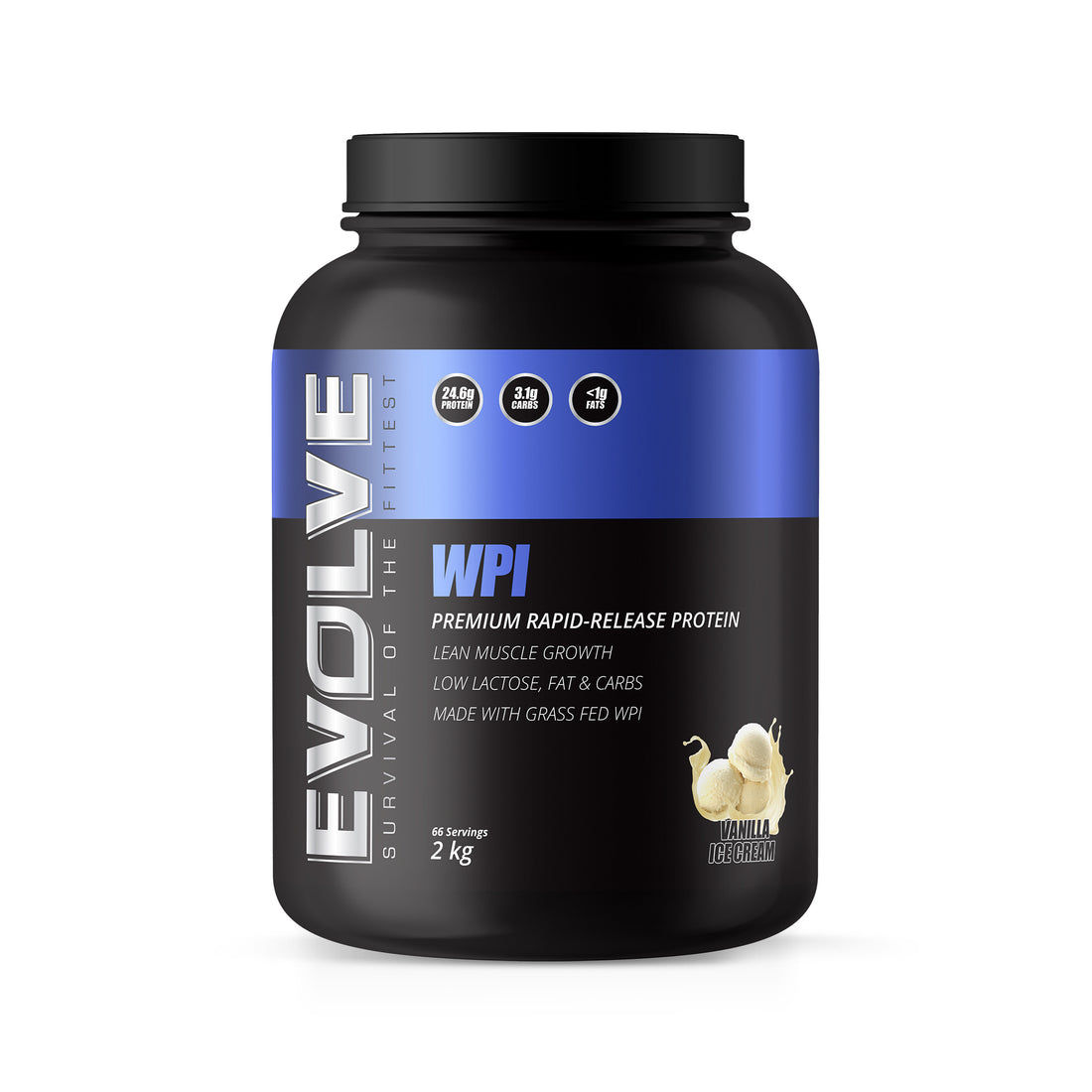
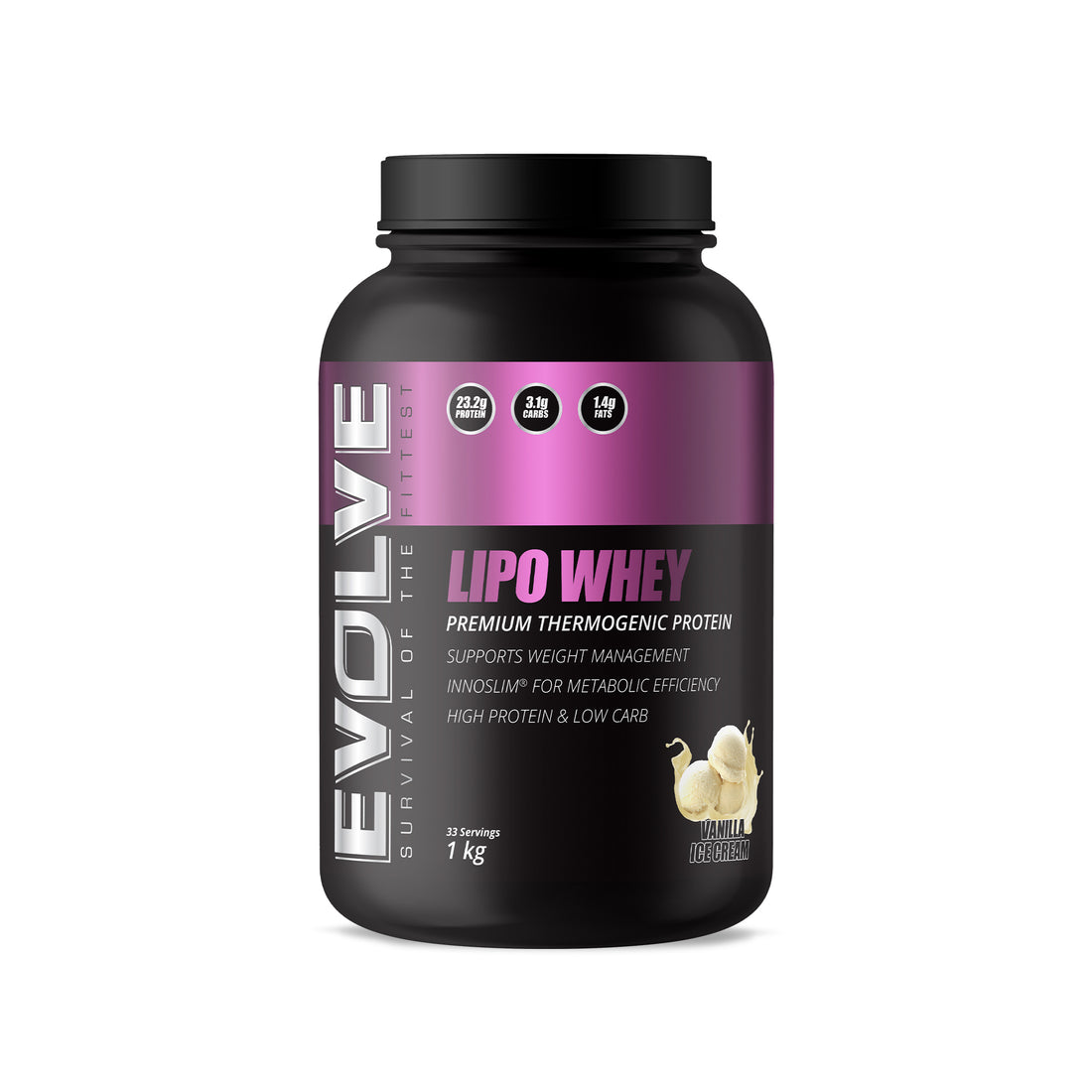
Protein used to be one of those things you just replaced when it ran out.
Now, it is one of those purchases that can have you checking the price, opening the banking app, and quietly working out how many hours of work is needed to make it fit this week. Because lately, even the regular buys, fuel in the car, fresh food, and now protein, can feel like bigger decisions than they used to.
That is probably why this conversation is landing so hard right now. It is not just that protein feels expensive, it is that it feels expensive at a time when so many people are already feeling the pressure of rising costs.
But here is the thing. It is not only that the cost of living has gone up and protein got dragged along with it. Protein has its own reasons for being expensive too. And most of it started long before the tub hit the shelf, and well before diesel hit $3.00/L…
When protein was a simpler buy
A big part of this story is that protein does not sit where it used to.
Five or ten years ago, protein was mostly tied to bodybuilding. It was the kind of thing you bought if you were chasing muscle, recovery, or macros with real intent. It lived in gym bags, shaker bottles, and routines built around training. Fewer people were buying it, fewer brands were building around it, and there were a lot fewer products trying to call themselves high protein.
Now, it is a different category entirely.
Protein has moved well beyond the bodybuilding crowd and into everyday life. For some people, it is still about muscle and recovery. For others, it is convenience, staying fuller for longer, healthy ageing, or just trying to get something decent in without overthinking every meal.
And once that shift happened, it was never going to stay just about tubs on supplement shelves.
Protein started turning up everywhere, bars, yoghurts, ready-to-drink shakes, snacks, breakfast products, convenience foods, and more brands all trying to get a high-protein option into the mix. Even GLP-1 has added to the wider conversation, with more people paying closer attention to protein for reasons that go well beyond the bodybuilding world it used to belong to.
That is where a lot of this starts. More brands, more products, and more people wanting protein meant the category suddenly needed a lot more supply than it used to.
Why whey supply has struggled to keep up
That sounds simple enough, more demand should mean more supply, but that is not how it works when the key ingredient has limits.
Whey is not an unlimited ingredient. It comes from milk, usually through the cheesemaking process, which means supply is tied to the broader dairy system from the start. So while protein spread into more products, reached more people, and pulled in more brands, the supply side could not just suddenly scale up at the same speed.
That is where the pressure started to build.
More people wanted protein, but they were all drawing from the same whey supply, and there is only so much of it to go around. So while demand kept climbing, supply could not rise as quickly, and that is when price pressure starts to build.
And that pressure is not just shaped by what is happening here in Australia either. Whey sits inside a much bigger dairy market, which means local shelf prices can be influenced by a whole lot more than local demand alone.
Why global pressures matter too
And that matters because protein pricing is not shaped by Australia alone.
Whey sits inside a much bigger dairy market, so the price of protein here is influenced by more than just what is happening on local shelves. If dairy production comes under pressure, if farming becomes more expensive, or if the broader market becomes harder to operate in, the cost of ingredients like whey can rise too.
Then there are the added pressures around freight, fuel, currency, and general economic instability. None of that changes the quality of the product itself, but it can change what it costs to source ingredients and bring finished products to shelf.
There can also be supply disruptions outside Australia, including disease in cattle such as bluetongue. If that affects milk production, it can put more pressure on dairy supply overall, which can make ingredients like whey harder and more expensive to source.
So while the tub might be sitting on a shelf in Australia, the price behind it is often being shaped by a much bigger market.
What else goes into the shelf price
And even then, whey is only part of the story.
By the time a protein powder hits the shelf, a lot more has gone into it than the raw ingredient alone. There is the formulation itself, the flavouring, the packaging, the manufacturing, the freight, the warehousing, the labour, and all the retail overheads that come with getting a finished product in front of a customer.
So when the price of whey goes up, it matters. But it is not the only thing shaping the number on the shelf. Protein is not just a scoop of powder in a tub. It is a finished product that has been sourced, blended, flavoured, packed, shipped, stored, and sold, and every step in that process comes with a cost.
That is why shelf prices can move even when people assume it is only about the protein itself. The ingredient matters, but so does everything wrapped around it.
Why it feels more noticeable right now
Part of the reason this one hits harder is because protein is not a once-a-year purchase.
It is a repeat buy. A regular restock. The kind of thing people notice quickly because they buy it often enough to know when the number has changed. It used to feel pretty automatic, run low, buy another tub, move on. Now, for a lot of people, it feels more considered than that.
And that is where the wider cost-of-living pressure comes back in.
When fuel is up, groceries are up, and everyday life already feels heavier on the wallet, even familiar purchases can start getting a second look. Protein is not the only thing that feels more expensive right now, but because it is something people buy regularly, the increase tends to stand out fast.
That is why this conversation lands the way it does. It is not just about protein. It is about protein in the middle of a week where everything else is asking to be paid for too.