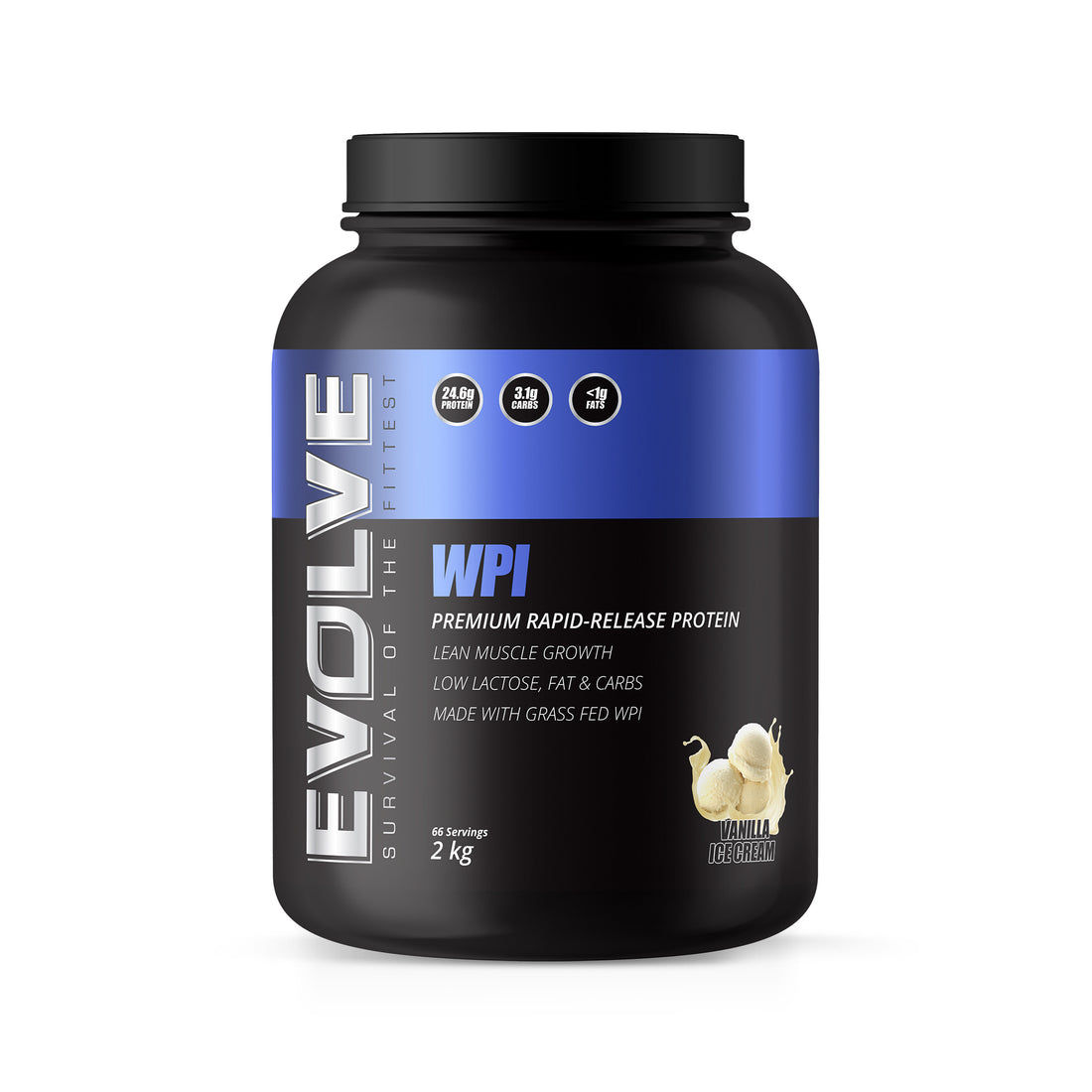
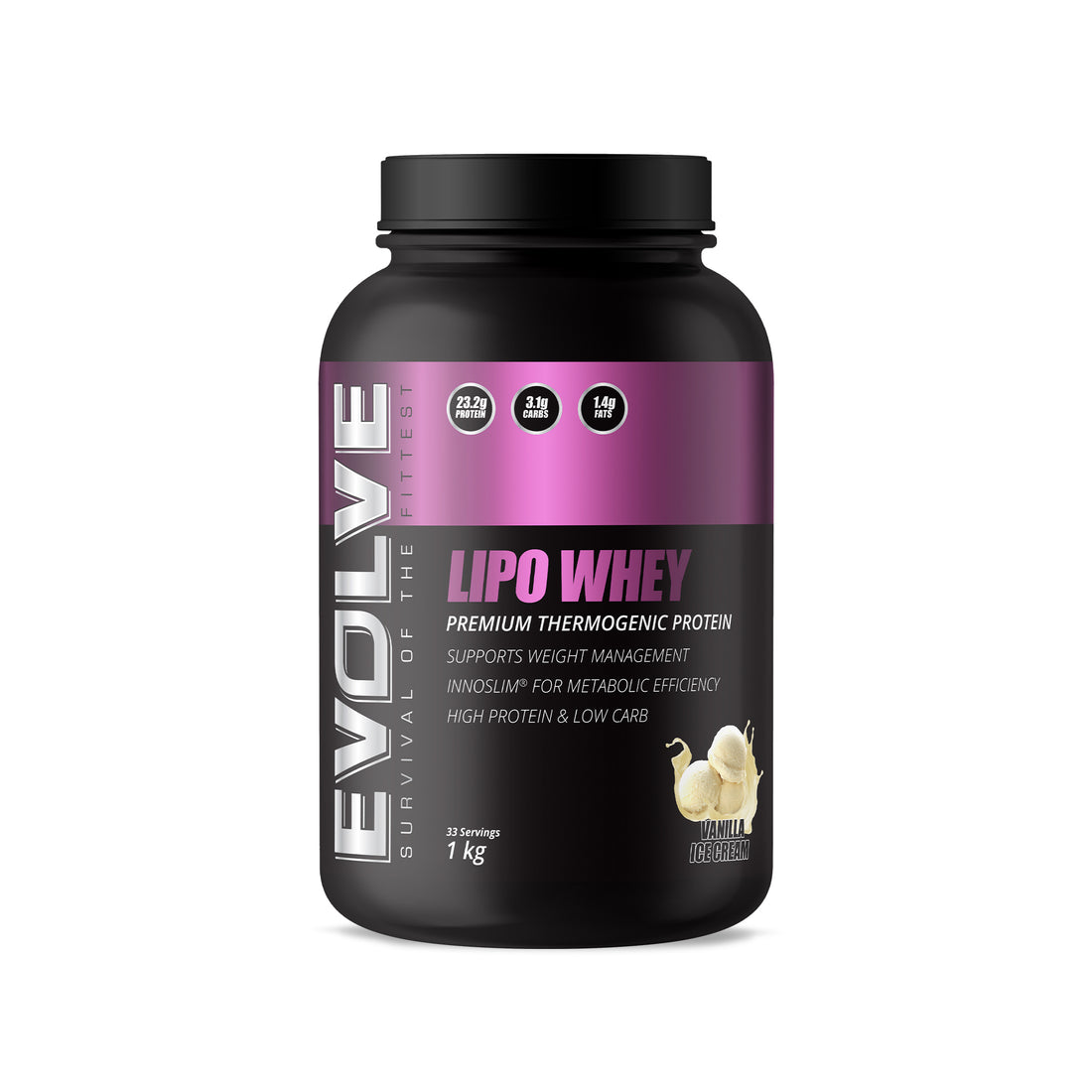
Protein powder. EAAs. BCAAs. Intra-workouts. Recovery shakes.
If you have ever stood in front of the supplement shelf wondering which one you actually need, you are not alone.
Aminos and protein often get grouped together because they are closely connected, but they are not used in exactly the same way. One is usually about supporting your daily nutrition. The other is often about supporting your training.
So, which one makes sense for your routine?
Let’s break it down.
What Is Protein?
Protein is one of the key macronutrients your body needs every day. It helps support muscle maintenance, recovery, satiety and overall nutrition, which is why it is such a big focus for people who train, stay active or want to support body composition goals.
When you eat protein from foods like chicken, eggs, yoghurt, fish, tofu, legumes or protein powder, your body breaks it down into amino acids. Those amino acids are then used for a range of important processes, including helping your body repair and build muscle after training.
In practical terms, protein is your daily base. If you struggle to hit your protein target, need an easy post-workout option, want a more balanced snack or are trying to support recovery, protein is usually the first place to look.
What Are Amino Acids?
Amino acids are the compounds that make up protein. When your body breaks protein down, amino acids are the smaller pieces it can use for different jobs, including muscle repair, recovery, growth and everyday function.
Some amino acids are called essential amino acids, or EAAs. These are essential because your body cannot make them on its own, so they need to come from your diet, your overall protein intake or supplements where suitable.
BCAAs, or branched-chain amino acids, are a smaller group of essential amino acids. They include leucine, isoleucine and valine, and are commonly used in sports nutrition.
This is why amino acids are often found in training products like EAAs, BCAAs and intra-workouts. They are not the same as a full protein serve, which is why understanding the difference matters before choosing one over the other.
Protein vs Aminos: The Key Difference
The easiest way to understand the difference is to look at how each one fits into your routine.
Protein |
Aminos |
|
Best for |
Supporting daily protein intake |
Targeted support around training |
Use it when |
You need help hitting your protein target, want a post-workout shake, or need a filling snack |
You are training fasted, doing longer or harder sessions, or want something to sip during training |
What it provides |
A more complete nutrition option that your body breaks down into amino acids |
Specific amino acids, often in EAA, BCAA or intra-workout formulas |
How it fits |
Across the day, after training, between meals or as part of meals |
Before, during or after training |
Remember |
Protein is usually the first place to focus if your overall intake is low |
Aminos are not a replacement for daily protein intake |
Neither is better across the board. The right choice depends on what gap you are trying to fill: daily protein intake or training support.
When Should You Use Protein?
Protein is a great option when your goal is to support your overall daily protein intake. It is especially useful if you struggle to get enough protein through food alone, want a convenient post-workout shake, need a quick breakfast or snack, or are working on muscle growth, muscle maintenance or recovery.
Protein powder can also be helpful when you want something more filling between meals. It can be mixed into smoothies, oats, yoghurt, coffee or baking, or simply shaken with water or milk.
If your daily protein intake is low, start here. Aminos can be useful, but they are not a shortcut around getting enough protein overall.
When Should You Use Aminos?
Amino acids can be useful when your protein intake is already in a good place, but you want support around your training session.
They may suit people who train fasted, do longer or harder sessions, want something to sip during training, or prefer not to have a protein shake before or during a workout. They can also be a practical option when timing and convenience matter, especially if you want training support without a full protein serve at that moment.
This is where aminos make the most sense for many customers: around the session. They are not there to replace your daily protein intake. They are there to support your training routine when session length, timing or convenience matters.
EAAs vs BCAAs: Which One Should You Choose?
This is where people can get a little lost, so let’s keep it simple.
EAAs are essential amino acids. They include all the amino acids your body cannot make on its own.
BCAAs are a group within the EAA family. They include leucine, isoleucine and valine.
If you want a broader amino acid option, EAAs are often the more complete choice because they include all essential amino acids. If you want a simple training support option, BCAAs are still commonly used around workouts and may suit people who want support for recovery and fatigue management.
Your best choice depends on the product, your training style and what you are already getting through food and protein.
The ASN Takeaway
You do not need to overthink the choice. If you are not eating enough protein across the day, that is the first gap to close. If your meals are already covering your needs and you want something to support the session itself, aminos may be worth considering.
Both can work in the same routine, but they do different jobs. Start with the bigger nutrition gap, then add training support where it makes sense.
Shopprotein and amino acids at ASN, or speak to your local ASN team for help finding the right fit for your routine.